
Exploring Italy's Ancient And Sacred Routes: A Journey Through Place And Time
Italy’s ancient routes offer a way of traveling that goes beyond highlights and itineraries. They move through landscapes shaped by everyday life, belief, and centuries of exchange, and they invite travelers to experience the country in a different way.
These routes aren’t reserved for any one type of traveler.
They appeal to people who enjoy walking within towns and villages, lingering over meals, paying attention to life and to art.
For some, the sacred element is the reason for the journey, as many of these routes are also pilgrimages, old and new. For others, it’s simply part of the cultural fabric.
For those who take the time, it reallly can feel as though all of these parts add up to be food for the soul. (our souls?)
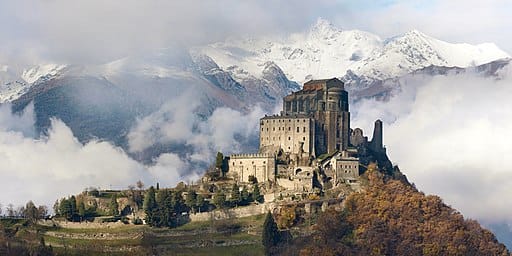
The Historical Roots of Italy’s Sacred Routes
Italy has long been a crossroads of civilizations, and its network of sacred routes reflects this layered past.
From Roman roads to medieval pathways, these routes developed as people moved across the peninsula for diffent reasons: trade, devotion, need. Over time, certain destinations gained particular importance, shaping the routes that joined them.
Pilgrims journeyed to places associated with saints, relics, and early communities of faith. These journeys ranged from difficult and demanding, to dangerous and could even be fatal, due to injury or attack. But they also created an exchange of ideas, customs, and knowledge between people of different regions and cultures.
During the Middle Ages, these routes became firmly established: inns and hospitals appeared, roads improved and towns grew around key stopping points. This imprint on the landscape remains visible today.
A Network of Routes Across Italy
Italy’s sacred routes form a wide and varied network, crossing mountains, farmland, vineyards, and historic cities.
Some are internationally known, while others remain quieter and deeply regional, offering travelers a more intimate experience of these places.
Among the best known are the Camino di Santiago and the Via Francigena. While the Camino is often associated with Spain, it also includes routes that pass through Italy, linking cities, countryside, and historic towns before continuing northward, from Rome.
(add: beginning from Rome: The Camino de Santiago is from Rome to Santiago, Francigena is from Rome to Canterbury, but it's not the same route.. have to check.. That is- people walked the Camino in both directions, and the Francigena as well.)
These Italian sections provide a distinctive experience shaped by local culture, architecture, and landscape.
The Via Francigena stretches from Canterbury to Rome and beyond, and remains one of the most important historic routes on the continent.
Documented as early as the 10th century, it passes through regions such as Tuscany and Lazio, connecting medieval towns, rural landscapes, and long-established centers of art and learning.
Note: The Via Francigena in Italy does not resemble the main Camino de Santiago routes in Spain. The infrastructure isn't nearly as developed, and there are far fewer pilgrims on these routes.
The Camino ei Santiago doesn't have a dedicated route through Italy, but it is still possible to follow one. (fact check this).
The same is true for the Via Francigena, although infrastructure is growing almost daily along these routes, as interest in pilgrimages in general, and this one in particular, continues to rise. This lack can present some difficulties -for example, for finding accommodations. In general, it means more careful planning, and most people are opting to book ahead. A lot depends on expectations - reports vary on liking/not liking going a full day without seeing another pilgrim. For some, the camaraderie of "the way" is a key part of any pilgrimage experience. Anyone who has walked the Camino has experienced that, and holds it dear in their heart.
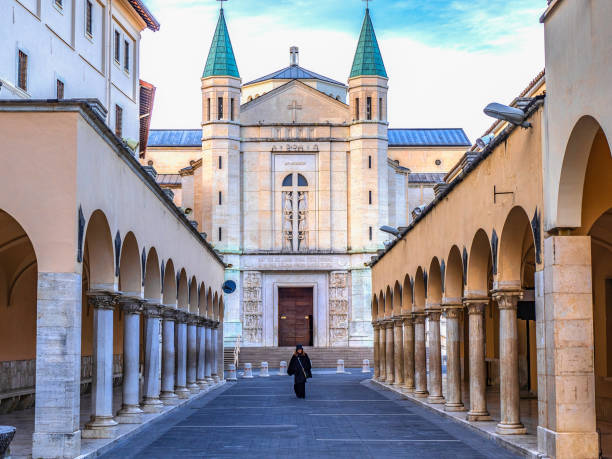
Walking the Camino Routes in Italy
The Italian sections of the Camino offer a way to explore the country through continuity. Starting points such as Rome allow travelers to move gradually through regions like Lazio, Umbria, and Tuscany, encountering ancient towns that reflect centuries of history.
Places like Viterbo, with its medieval streets and thermal waters, or small hill towns surrounded by farmland, encourage travelers to linger rather than rush. The route through Tuscany is especially known for its varied scenery—vineyards, rolling hills, and quiet rural roads that invite a slower pace.
What many people value most about these routes is the rhythm they create. Days unfold simply, shaped by walking, meals, and conversation. Encounters with local communities and fellow travelers often become as memorable as the landscapes themselves.
The Via Francigena: A Route Through History
The Via Francigena offers a long, continuous journey through some of Italy’s most historically rich regions.
Entering Italy from the Alps (St. Bernard Pass, fact check), it passes through the Aosta Valley and continues south through Piedmont, Lombardy, Emilia-Romagna, Tuscany, and Lazio before reaching Rome.
Along the way, travelers encounter towns shaped by time: places where architecture, agriculture, and daily life evolved alongside the route itself. Stops such as San Gimignano and Florence illustrate how art, faith, and commerce developed together along these roads.
Walking or following sections of the Via Francigena creates a strong sense of historical continuity. Roads, bridges, and town layouts still reflect patterns and routes established long ago, allowing travelers to experience Italy as a connected landscape rather than a series of isolated destinations.
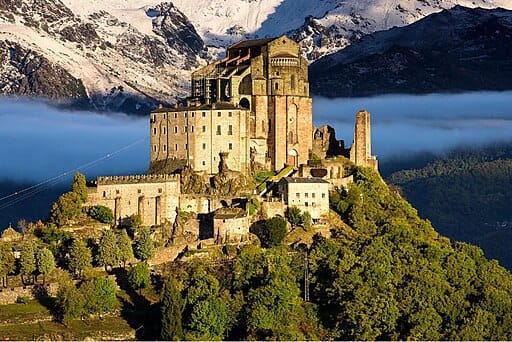
Churches, Shrines, and Shared Spaces
Churches and shrines appear frequently along Italy’s sacred routes, marking natural pauses in the journey. These spaces are not only religious sites but are also great repositories of art, architecture, and local history, shaped by generations of use.
One example is San Miniato al Monte in Florence, set above the city with wide views across the Arno Valley. Its mosaics and stonework reflect centuries of craftsmanship, while its location offers a moment of quiet above the urban bustle.
Smaller local shrines are equally significant. Tied to regional traditions and local figures, they reflect how communities have expressed identity and continuity over time, as part of the human experience. Visiting these sites provides a glimpse into how belief, culture, and everyday life have been intertwined for centuries.
Preparing for a Slow Journey
Traveling along historic routes, whether for a few hours or several days, benefits from thoughtful preparation. Routes vary widely in terrain and conditions, and understanding distances, elevation, and seasonal weather helps to ensure comfort.
Physical preparation matters, especially for those planning longer walks. Gradual training, well-chosen footwear, and realistic daily distances make the journey more enjoyable. Equally important is allowing flexibility—building in time to rest, explore towns, or adjust plans as needed.
Practical Considerations: Gear, Safety, and Courtesy
Comfort and safety depend on simple, reliable choices. Sturdy walking shoes, lightweight clothing, sun protection, and water are essentials. A first-aid kit and clear route information are a must. Apps are available for phones with all the maps and details, many of which can also be downloaded and used offline.
Awareness and courtesy play an important role as well. Historic routes pass through living communities, places of worship, and working landscapes. Dressing appropriately, keeping noise low in churches, and respecting local customs helps preserve the character of these places, and the goodwill of those who live in them.
Personal Experiences Along the Routes
People approach these routes for many reasons, and experiences vary widely. Some travelers seek clarity after a period of change, while others are drawn by history, landscape, or the appeal of traveling at a slower pace.
One traveler described walking sections of the Via Francigena as a way to regain balance after a demanding period of life. The steady rhythm of movement, combined with conversations along the way, offered perspective and calm.
Another, newly retired, followed parts of the Camino routes in Italy as a long-held personal goal. Moving through historic towns and countryside created space for reflection and appreciation, turning travel into something both restorative and engaging.
These stories reflect how historic routes continue to resonate in different ways for many people, today.
Conclusion: Experiencing Italy Beyond the Surface
Italy’s historic and sacred routes offer a way to experience the country that connects landscapes, towns, and traditions into a living network, revealing Italy not as a collection of sites, but as a place shaped by time and movement.
Whether for a day or over weeks, on foot or on wheels, these routes allow travelers to engage with Italy on their own terms. For some, the sacred dimension adds meaning; for others, it simply exists in the background. What remains is the desire and the opportunity to travel slowly and let the experience unfold.
UT NULLA NISI NON UT ENIM ALIQUA:
nisi sint ut quis proident ullamco
ut dolore culpa occaecat ut
laboris in sit minim
Created with ©systeme.io